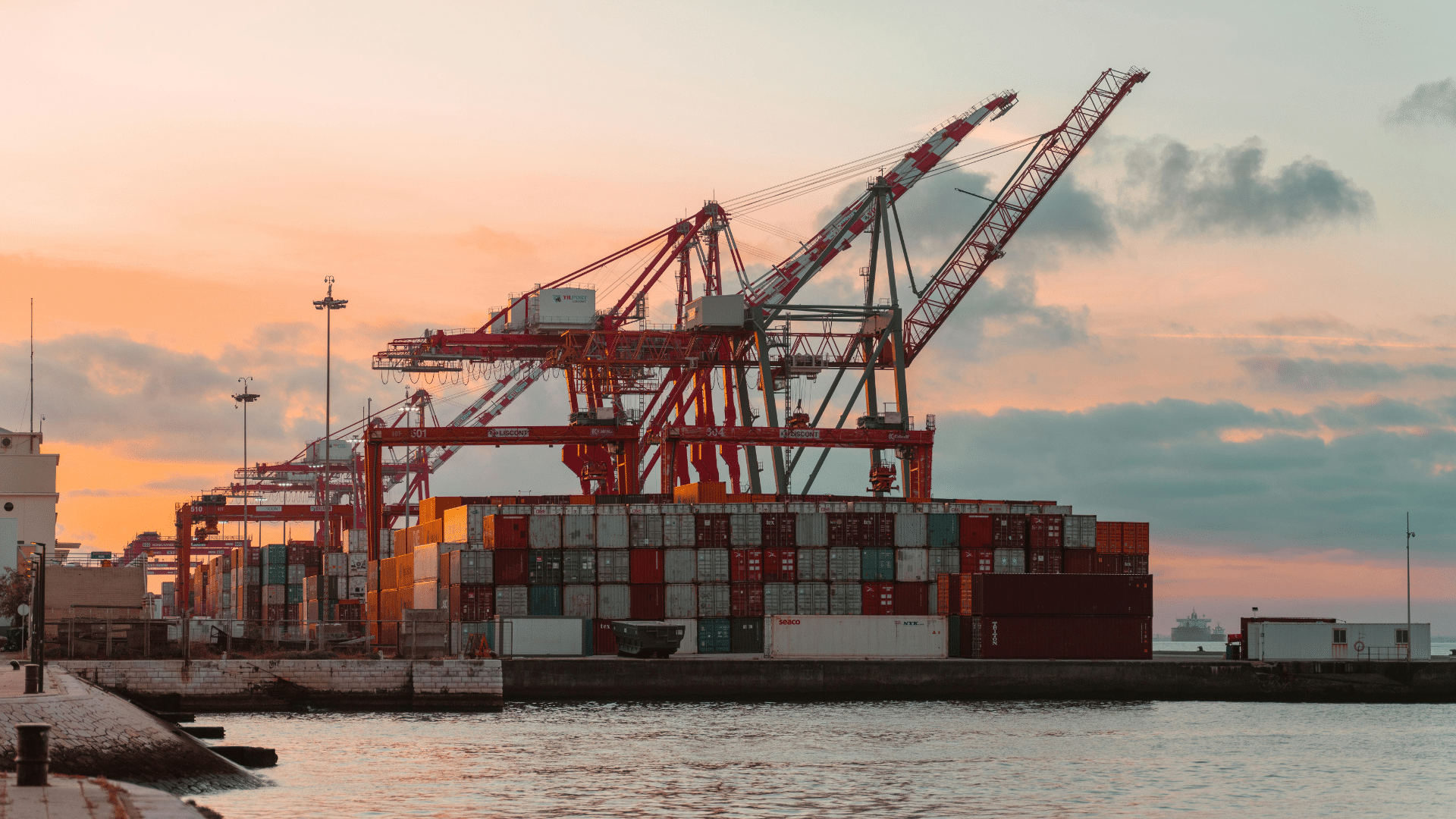
Ports are the lifeblood of global trade, handling millions of tonnes of cargo every year. Behind the smooth operations of any port lies a network of capital-intensive assets, including cranes, container handling equipment, docking infrastructure, and sophisticated tracking systems. These assets are vital for ensuring operational efficiency and meeting the demands of modern maritime logistics.
Unplanned disruptions, like emergency dry-docking, can be devastating. With fees, premium repair rates, and delays ports face fees from $50,000 to over $1 million – highlighting the need for robust asset management strategies.[1}
In this article, we will dive deep into key strategies ports can utilise to manage-intensive assets, such as lifecycle management, maintenance reliability, technological integration, and financial oversight. By the end, you will be equipped with actionable insights to protect your investments, boost operational efficiency, and pave the way for sustainable growth well into the future.
What Are Capital-Intensive Assets?
In the ports sector, capital-intensive assets include key infrastructure such as gantry cranes, quay walls, cargo handling systems, automated gates, and warehouse facilities. These assets are not merely tools for operations—they are the backbone of the port’s capacity to serve as a global trade hub.
The scale, complexity, and criticality of these assets demand meticulous management to minimise operational risks, control maintenance costs, and ensure optimal performance. Mismanagement can result in cascading failures that disrupt operations, delay shipments, and incur heavy financial penalties.
For example, a breakdown in critical equipment, such as a ship-to-shore crane, can cause massive port delays, resulting in significant operational and financial losses. This aligns with findings from a recent global study, which revealed that 82% of companies across all sectors have experienced at least one unplanned downtime outage in the past three years, with an average of two outages during this period. These statistics highlight the costly impact of poor asset management and emphasise the importance of ports adopting robust strategies to minimise downtime, safeguard operations, and protect profitability.
The Foundation: Asset Lifecycle Management
Effective asset management in the ports sector begins with a thorough understanding of the asset lifecycle from procurement through to operation, maintenance, and disposal. Strategic asset acquisition is essential to ensure alignment with operational goals, whether it involves upgrading cranes to accommodate larger vessels or implementing automated cargo handling systems. Once assets are in use, operational strategies must carefully balance productivity and durability, maximising efficiency without overburdening critical machinery.
Maintenance plays a pivotal role in extending asset lifespans and avoiding costly disruptions, with proactive approaches such as preventive and predictive maintenance offering significant advantages. Predictive maintenance, supported by IoT sensors, is particularly transformative in the ports sector, providing real-time monitoring of vital equipment like cranes and conveyors. Finally, when assets reach the end of their lifecycle, sustainable disposal strategies not only recoup residual value but also support environmental commitments. This step is especially important for ports striving to meet stringent sustainability targets while safeguarding financial and environmental investments.
Streamlining Operational Processes
Ports are complex ecosystems where operational efficiency directly impacts global supply chains. Every delay or inefficiency in a port can ripple through these networks, disrupting logistics, increasing costs, and affecting delivery timelines. To manage these challenges, Standard Operating Procedures (SOPs) play a crucial role in ensuring consistent and effective use of assets, reducing variability, and maintaining operational control. However, SOPs alone are not enough to meet the increasing demands of modern port operations.
Advanced technologies like Robotic Process Automation (RPA) are revolutionising administrative processes by automating repetitive tasks, such as cargo documentation and customs declarations. These tools not only minimise human error but also significantly accelerate execution, yielding measurable efficiency gains.
For example, real-time feedback systems, when integrated with automated workflows, enable ports to dynamically respond to fluctuating cargo volumes, adverse weather conditions, or unforeseen disruptions. This capability enhances operational agility, allowing ports to optimise resource allocation, reduce bottlenecks, and maintain a competitive edge in an increasingly demanding market. Additionally, the implementation of predictive analytics in such systems can forecast peak periods, enabling ports to pre-emptively adjust staffing levels or reallocate equipment to manage workload spikes.
The Role of Technology
Technology is transforming port operations by enabling smarter and more efficient asset management, with Enterprise Asset Management (EAM) systems playing a central role in monitoring and optimising critical assets. Embedded IoT sensors in port equipment provide real-time data, enabling predictive maintenance that helps prevent costly failures during peak shipping seasons. AI-powered analytics further enhance efficiency by identifying operational inefficiencies, such as idle time for cranes or bottlenecks in container handling processes, allowing ports to make data-driven adjustments.
Meanwhile, Augmented Reality (AR) and Virtual Reality (VR) tools are transforming workforce training by enabling technicians to simulate repairs on complex systems without disrupting ongoing operations. By integrating these advanced technologies, ports can achieve improved reliability, reduced downtime, and more efficient utilisation of resources, securing their position as essential hubs in the global supply chain.
Financial Oversight and Measuring ROI
For ports, financial oversight is not just about cost control, it’s about ensuringevery asset contributes to profitability. Data-driven insights and metrics such as crane utilisation, berth productivity, turnaround times, and maintenance costs provide a clear picture of efficiency and ROI, helping ports identify inefficiencies and prioritise improvements.
Ports also face unique risks that threaten financial stability, including extreme weather, cybersecurity threats, and regulatory compliance. Severe weather can damage infrastructure and disrupt operations, while cyberattacks on port systems can compromise data and cause significant disruptions. Adhering to complex environmental and security regulations further adds to the challenge.
Regular risk assessments are essential for identifying vulnerabilities, from aging infrastructure to digital security gaps. Mitigation strategies, such as implementing robust cybersecurity measures, weather-resilient infrastructure, and compliance technologies, safeguard financial stability and ensure operational continuity.
A Proven Solution; Octave Attune EAM
Our partnership with The Ports of Jersey showcases the transformative impact of adopting Octave Attune EAM (Octave’s Enterprise Asset Management system), a cutting-edge solution designed to optimise asset-intensive operations. Powered by the latest AI machine learning, predictive analysis, and mobile technology, Octave Attune EAM equips asset-intensive industries with advanced tools to effectively manage the entire asset lifecycle, including predictive maintenance via Octave Attune APM, repairs, and compliance—all while delivering a single version of the truth.
When integrated with a financial management solution like Infor SunSystems, Octave Attune EAM delivers enhanced financial tracking and reporting capabilities. This seamless integration aligns asset management activities, such as maintenance, repairs, and lifecycle planning with financial data, enabling real-time cost analysis and precise budget control. By leveraging advanced technology with industry expertise, this approach drives measurable efficiency gains and improved performance across the organisation.
As a trusted implementation partner, TouchstoneEnergy specialises in integrating Octave Attune EAM with complementary solutions tailored to port operations. With deep expertise in managing capital-intensive assets and the complexities of global trade, our consultants empower ports to optimise productivity, reduce risks, and drive sustainable growth.
To learn how Hexagon and TouchstoneEnergy can transform your port’s asset management strategy, reach out to us at [email protected].
[1] The True Cost of Ship Downtime: Data-Driven Insights for Shipowners – Ship Universe